


Iqaluit approves Tundra Ridge land deal, with Inuit homeownership and affordability targets still to be tested
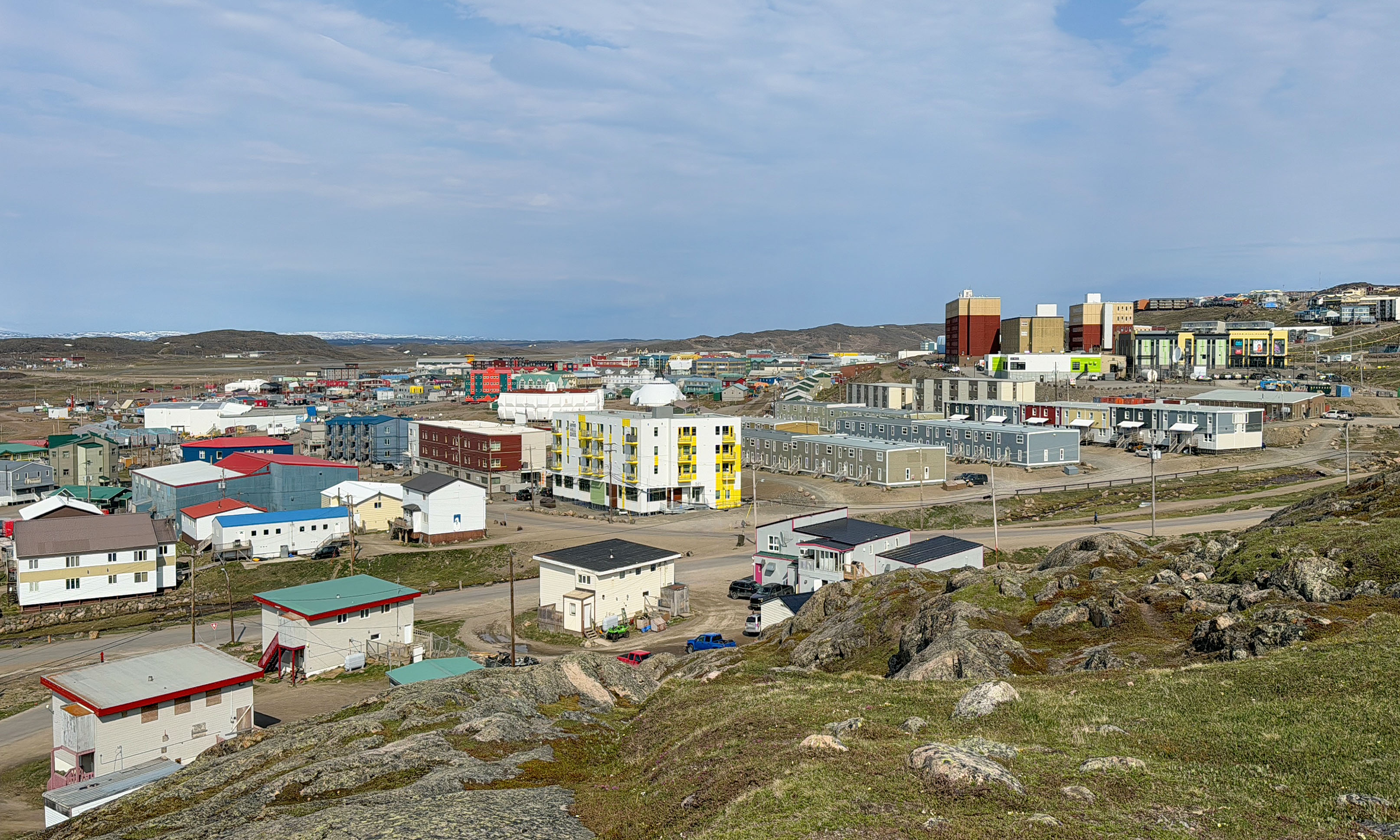
Iqaluit council approved a land-disposal agreement with Tom Fitzgerald Construction on July 28 for private development in the Tundra Ridge expansion. The decision advances two undeveloped residential parcels toward subdivision, roads and homes, but the City has not publicly released the signed agreement, final lot count, construction schedule, servicing confirmation or final sale prices.
 View full image
 What happened
Council approved the Land Disposal Agreement for Private Land Development Agreement PLD 26-001, naming Tom Fitzgerald Construction as developer for the Tundra Ridge expansion. The motion passed 3–1 on July 28. The City’s January call for proposals covered two R1A low-density, trucked-services parcels: Lot 23, Block 215 and Lot 3, Block 249. The developer was expected to plan the subdivision, build roads, pursue approvals and construct housing. The public motion registry does not identify the councillor who voted against the motion or publish the final agreement.
Why it matters
The decision concerns a small but potentially important addition to Iqaluit’s ownership housing supply at a time of serious housing pressure. The Nunavut Housing Corporation says 32.9% of Nunavut households were in core housing need in 2021, with overcrowding the leading driver; it also identifies visible homelessness in Iqaluit. This project will not resolve that territorial shortage on its own, and its scale is not yet public. But new serviced lots and homes could give some households a route into ownership if prices, financing and construction delivery meet the City’s stated goals. The proposal call placed its greatest evaluation weight on affordability (25%), Inuit ownership of the proponent (20%), project experience (15%), Inuit-centred housing (10%) and execution (10%).
What happens next
The practical next milestones are release or registration of the signed land-disposal agreement; subdivision and engineering plans; confirmation of water, sewage and trucked-service capacity; road and drainage plans; permits; a construction timeline; and public details on the number, type and price of homes. Residents should also watch for the process to sell or transfer lots and homes. The City’s publicly posted template contemplated calls for proposals to end purchasers, rather than a simple first-come sale process, but Atiilu could not confirm that the final approved agreement retained every template term.
Important details
The City’s proposal call sought only single- and semi-detached, ground-oriented homes, with at most one secondary suite. It required designs that address multigenerational living, storage, mudrooms, boat and skidoo parking, land access and trail connections. Area B, accessed from Abe Okpik Crescent, includes a seasonal drainage course and must preserve a future road connection toward the Arctic Winter Games Arena area. The call invited developers to use standardized, modular or other mass-construction approaches to lower per-unit costs; this is an economy-of-scale objective, not evidence that prices will fall or that homes will be affordable. Its affordability scoring sought a strategy to keep home costs at or below $650 per square foot after subsidies and grants, and to make a mortgage workable for a household earning $190,000 annually. That was a proposal-evaluation requirement, not a published final sale-price guarantee. The public template also contemplated at least 50% of available homes being sold to Inuit owner-occupants and at least 75% to owner-occupants overall, subject to sufficient eligible buyers. It allowed the developer to reserve up to 5% of developable lots. Those provisions should be verified against the signed agreement before being reported as binding final terms.
Comments
0 approved comments. Every comment is reviewed before appearing.
Comments appear here after identity verification and News Desk review.