

NIRB completes screening of DFO ballast-water monitoring project at Milne Inlet
The Nunavut Impact Review Board completed screening and closed file 26YN025 on Sept. 4 for Fisheries and Oceans Canada’s proposed Milne Inlet ballast-water monitoring project. The two-year research proposal would sample ballast water from up to about 64 to 80 ships and train Inuit youth from Pond Inlet, Igloolik and Sanirajak in shipboard sampling, safety and data analysis. Source↗
What happened
NIRB’s registry lists a Sept. 4, 2026 Screening Decision Report for file 26YN025, “Developing local capacity and tools for on-board ship monitoring to better understand ecological risks and identify actions to improve mitigations for ship traffic in Arctic Canada’s largest port.” The project dashboard records the screening as completed and the file as closed on the same date. Fisheries and Oceans Canada is the applicant. Source↗
Why it matters
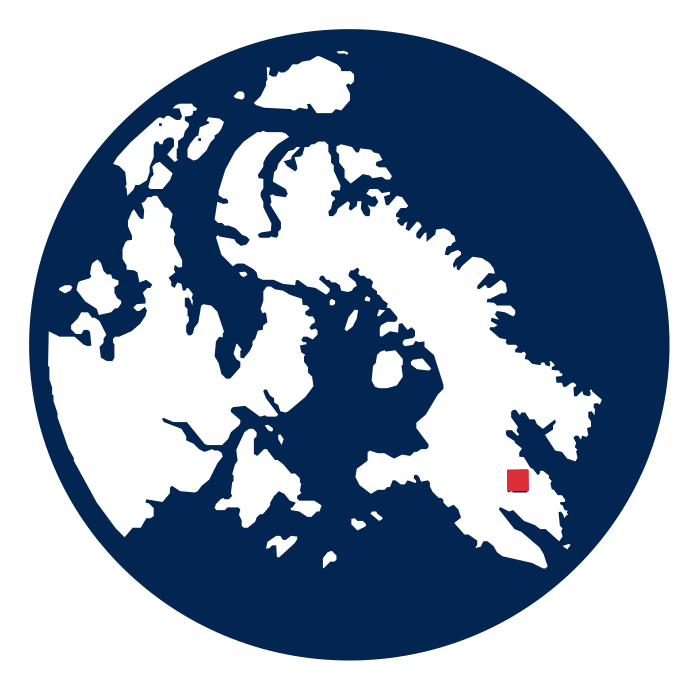
Milne Inlet is the port used for Mary River iron-ore shipping. DFO’s proposal says ballast-water discharge may introduce non-indigenous species and could affect marine habitat and species important to local food systems, including Arctic Char, narwhal, bowhead and seabirds. The work is intended to test ballast-water treatment performance under Arctic conditions and develop monitoring capacity in the North Baffin region.
What happens next
The registry describes field sampling during the 2026 and 2027 shipping seasons, for up to eight weeks each season depending on available resources and capacity at Milne Inlet. DFO proposes annual training, fall community-outreach sessions and winter data-analysis workshops involving participating youth. The completed NIRB screening is a regulatory-file milestone; the registry entry does not itself announce that fieldwork has begun. Source↗
Important details
Project number: 26YN025. Project type: Scientific Research. Region: North Baffin. Submission/decision date: Sept. 4, 2026. Proposed sampling includes shipboard collection of ballast water, testing for organisms and water-quality conditions, assessment of residual chlorine, and eDNA/eRNA collection. The proposal describes a four-to-five-person sampling team working with vessel crews and using a port-side tool to count live organisms. Source↗
Comments
0 approved comments. Every comment is reviewed before appearing.
Comments appear here after identity verification and News Desk review.